


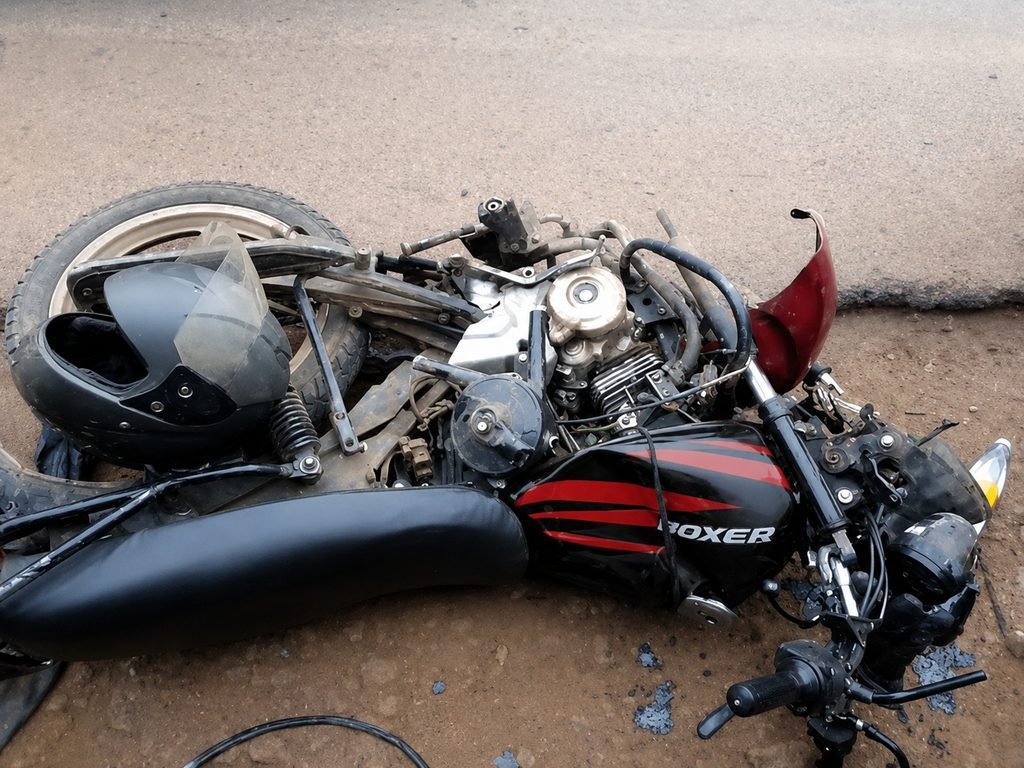
1. Boda Bodas Are Supposed to Be Insured, But Many Are Not
Kenyan law requires every motor vehicle used on the road, including motorcycles, to carry third-party insurance. This comes from Section 4 of the Insurance (Motor Vehicles Third Party Risks) Act, known as Cap 405. Basic third-party cover for a boda boda can cost as little as Ksh 1,000 to 3,000 a year, so the requirement is not expensive to meet.
Even so, a large number of boda bodas on Kenyan roads are riding around with no valid cover, or with cover that has lapsed and was never renewed. Sometimes the bike was insured when it was bought, but the policy expired months ago and nobody kept up the payments. This is one of the most common problems accident victims run into when they try to make a claim.
2. There Is No Backup Fund in Kenya
In some countries, if the person who hit you has no insurance, there is a national fund that steps in and pays your claim instead. The United Kingdom, for example, has something called the Motor Insurers’ Bureau for exactly this situation.
Kenya does not have an equivalent fund. If the boda boda that hit you had no insurance, there is no government body or industry fund that will automatically pay you instead. Your claim becomes a personal one against the rider, and possibly the owner of the motorcycle, rather than a claim against an insurance company.
You might come across the Policyholders Compensation Fund (PCF) while researching this and wonder if it can help. It cannot, at least not here. The PCF only steps in when an insurance company itself becomes insolvent, and pays out to that insurer’s own policyholders, up to a cap that was recently raised to Ksh 500,000. It has nothing to do with a motorcycle that was never insured in the first place. If the boda boda had a valid policy and the insurer later collapsed, the PCF would matter. If the boda boda was simply riding without cover, it does not apply to your situation at all.
3. You Still Have to Prove Fault
Nothing changes about how you prove your case. You still need to show that the rider was negligent, meaning they did something careless that caused the accident. The same evidence still matters:
- The police abstract from the accident
- Photos of the scene and your injuries
- Contact details from witnesses
- Your medical records and receipts
This evidence matters even more when there is no insurer involved. There is no insurance company investigating the accident on your side. Everything depends on what you gather and prove yourself.
4. Who You Can Actually Sue
You can sue the rider directly for the injuries and losses they caused. In many cases, you can also sue the registered owner of the motorcycle, especially if the rider was working for the owner at the time, for example if the owner rents out the bike and takes a daily cut of the rider’s earnings. Kenyan courts have long accepted that an owner can be held responsible for accidents caused by someone operating their vehicle for their benefit.
This matters because the rider alone might have very little money, while the owner sometimes has more to lose and more incentive to settle rather than go through a lengthy court case.
5. The Real Problem: Actually Getting Paid
Here is the part people are often not warned about. Even if you win your case in court and the judge orders the rider or owner to pay you, that judgment does not pay itself. You still have to collect the money.
If the rider has no significant assets, no savings, and no property in their name, a court judgment against them can be almost impossible to enforce. Your lawyer can apply to have the court attach and sell any property the rider owns to recover the debt, but this only works if they actually own something worth taking. Many boda boda riders do not.
This is the hard truth about uninsured claims in Kenya. Winning the case and getting paid are two different things. The second one depends on whether the person you sued actually owns anything.
6. Check for Insurance You Did Not Know About
Before assuming there is nothing to recover, dig a little deeper. A few things are worth checking:
- Some boda boda owners carry a Personal Accident or Passenger Legal Liability policy even when their basic third-party cover has lapsed. These are separate products and might still be active.
- If the motorcycle belongs to a boda boda Sacco or association, ask whether the Sacco runs any kind of welfare or insurance scheme for accidents involving its members’ bikes. Many Saccos do have some kind of fund for this, even if it is informal.
- Confirm the actual registered owner. Sometimes the person riding the bike is not the owner, and the real owner turns out to have separate insurance on it that the rider simply was not using correctly.
None of these are guaranteed. But check them before you decide there is no money to recover at all.
7. The Rider Still Faces Legal Trouble, Separately From Your Claim
Riding without valid insurance is a criminal offence on its own, separate from any civil claim you bring. Under Cap 405, a person who breaks these insurance rules can face a fine or a short jail term. NTSA and the police also run regular crackdowns that specifically target uninsured motorcycles, and an uninsured bike can be impounded during these operations.
This does not put money in your pocket, but it is still worth mentioning to the police when you report the accident. It creates further pressure on the rider and adds another paper trail showing the bike was operating illegally at the time.
8. Your Time Limit Has Not Changed
The three-year limitation period still applies here in exactly the same way it does for any other personal injury claim . Section 4(2) of the Limitation of Actions Act gives you three years from the date of the accident to file your case. Whether the rider was insured or not makes no difference to this deadline, so do not assume you have extra time just because the situation is more complicated.
Courts do have a narrow extension option under Section 27 of the same Act. It only applies if you were genuinely unaware of something important, like how serious your injury really was, within those three years. It is not a general excuse for delay. Do not count on it as a backup plan.
9. What to Actually Do
Report the accident and get your police abstract, exactly as you would for any other claim. Get medical treatment and keep every receipt and record. Find out who actually owns the motorcycle, not just who was riding it. Then speak to a lawyer before deciding whether pursuing a personal claim against the rider or owner is worth your time and money, since court costs and time can add up even in a case you eventually win.
An uninsured accident is not a dead end. It is just a harder road. Good legal advice early on helps you tell the difference between a case worth pursuing and one where the other person has nothing to pay you with.
This article is for general information only and is not a substitute for advice from a qualified advocate about your specific accident.
